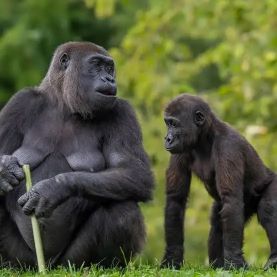
Gorilla Trekking: From Kigali to Bwindi
The topic writing about today is a journey that many travelers dream about. It is the road from Kigali to Bwindi Impenetrable National Park. This trip mixes city comfort with deep forest adventure. Along the way, you pass green hills, small villages, and quiet lakes. You also cross a border and enter a new country. By the end, you meet mountain gorillas face to face. This guide walks you through every step. It covers routes, timing, costs, and tips. So, whether you are a first-time trekker or a repeat visitor, this page will help you plan well.
Why Start in Kigali
Kigali is Rwanda’s capital city. It has a major international airport, so many travelers land there first. The city is clean, safe, and easy to move around. Because of this, it makes a smart starting point for a Bwindi trip. You can rest for a night, adjust to the time zone, and stock up on supplies. Kigali also offers good hotels at every budget level. Therefore, spending one night here before crossing into Uganda is a wise move.
Moreover, Kigali has its own attractions. The Kigali Genocide Memorial teaches visitors about Rwanda’s history. Local markets sell crafts, coffee, and fabric. Restaurants serve both local and international food. As a result, many travelers choose to spend a full day in the city before heading west.
The Route from Kigali to Bwindi
There are two main ways to travel from Kigali to Bwindi. The first is by road. The second is by a mix of road and boat. Each option has its own charm.
By Road
The road route takes you through the Rwanda-Uganda border at Cyanika or Katuna. Most tour operators use Cyanika because it sits closer to Bwindi’s southern sectors. The drive from Kigali to the border takes about three hours. After crossing, another hour or two brings you into the park area, depending on which sector you visit.
This route passes through beautiful scenery. Terraced hills rise on both sides of the road. Farmers grow tea, potatoes, and beans on these slopes. Small towns appear every so often, filled with markets and motorbikes. Because the roads are mostly paved, the ride is smooth and comfortable. Still, the last stretch into Bwindi involves winding dirt roads through the forest edge. So, a 4×4 vehicle is recommended for this final part.
By Lake and Road
Some travelers choose a more scenic path. This route starts with a drive from Kigali to Lake Kivu. From there, a boat ride crosses toward the Uganda border. Afterward, a short drive completes the journey to Bwindi. This option takes longer, but it offers unique views of the lake and surrounding hills. Consequently, travelers who enjoy slow travel often prefer this path over the direct road route.
Which Bwindi Sector to Choose
Bwindi Impenetrable National Park has four main trekking sectors. These are Buhoma, Ruhija, Rushaga, and Nkuringo. Each sector has different gorilla families and different access points from the Rwanda border.
Rushaga and Nkuringo sit closer to the Cyanika border crossing. Therefore, most Kigali-to-Bwindi trips head to one of these two sectors first. Buhoma and Ruhija sit farther north and require extra driving time. If your schedule is tight, Rushaga or Nkuringo will save you hours on the road.
Rushaga also offers gorilla habituation experiences. This means you can spend four hours with a gorilla family instead of the usual one hour. It costs more, but it gives a deeper experience. Nkuringo, meanwhile, offers a quieter setting with fewer tourists. Both sectors reward trekkers with strong chances of gorilla sightings.
Planning Your Timeline
A trip from Kigali to Bwindi usually needs at least three days. Here is a simple breakdown.
On day one, arrive in Kigali and rest. Explore the city if time allows. On day two, drive to the border and continue into Bwindi. Settle into your lodge and prepare gear for the next morning. On day three, wake early for the trek. Gorilla trekking permits require trekkers to arrive at the park office by 7:00 a.m. After a briefing, guides lead groups into the forest.
The trek itself can last between thirty minutes and six hours. This depends on where the gorilla family is feeding that day. Once found, visitors get one hour with the gorillas. Cameras are welcome, but flash photography is not allowed. After the visit, trekkers return to the trailhead and head back to their lodge.
If time allows, add a fourth day. This gives room for rest or a second activity, such as a nature walk or a visit to a local community project.
What to Pack
Packing well makes a big difference on this trip. Bwindi’s name means “impenetrable,” and the forest lives up to it. Trails can be steep, muddy, and thick with vegetation.
Here are key items to bring:
- Sturdy hiking boots with good grip
- Long-sleeved shirts and long pants, for protection against nettles
- A rain jacket, since weather changes quickly
- Gardening gloves, useful for gripping plants on steep sections
- Insect repellent
- A reusable water bottle
- A small backpack for snacks and gear
Additionally, porters are available for hire at the trailhead. They carry bags and offer a hand on tricky sections. Hiring a porter also supports the local community, so many travelers choose this option.
Permits and Costs
Gorilla trekking requires a permit, and permits are limited each day. In Uganda, a standard permit costs 800 US dollars per person. This fee covers park entry and the guided trek. It does not cover transport, lodging, or meals.
Permits should be booked well in advance. Popular sectors sell out months ahead, especially during the dry seasons. Because of this, early planning is essential. Tour operators can handle permit bookings for travelers, which removes much of the stress from the process.
It also helps to know the best seasons for trekking. Uganda has two dry seasons: June to September and December to February. Trails are easier to walk during these months. Rainy seasons still allow trekking, but the paths become slippery and travel is slower.
Crossing the Border
Crossing from Rwanda into Uganda is usually smooth. Most nationalities need a visa for Uganda, so check requirements before travel. East Africa also offers a joint tourist visa. This visa covers Rwanda, Uganda, and Kenya under one payment, which can save both time and money.
At the border, travelers show their passports and visas. Officers may ask about the purpose of the trip. Because gorilla trekking is well known in the region, border staff are familiar with this kind of travel. As a result, the process rarely causes delays.
Where to Stay Near Bwindi
Lodges near Bwindi range from budget guesthouses to luxury camps. Many sit on hillsides with views over the forest canopy. Staying close to your trekking sector reduces travel time on the morning of the hike.
Budget travelers can find simple, clean lodges with basic meals included. Mid-range lodges often add hot showers, better food, and comfortable beds. Luxury lodges offer private decks, gourmet dining, and personal guides. Whatever the budget, booking early is wise, since rooms fill quickly during peak season.
Final Tips for a Smooth Trip
Preparation makes the biggest difference in how the trip feels. Here are a few final points to remember.
First, build in buffer time. Border crossings and mountain roads can be unpredictable. Second, stay hydrated and pace yourself during the trek. The altitude in Bwindi sits above 1,500 meters, so some visitors feel it more than expected. Third, listen closely to your guide. Guides know gorilla behavior and keep the group safe. Finally, respect the gorillas’ space. Stay at least seven meters away and keep your voice low.
Conclusion
The trip from Kigali to Bwindi offers more than a border crossing. It offers hills, culture, and one of the most powerful wildlife encounters on Earth. With the right planning, the journey becomes part of the adventure itself. From choosing a sector to packing the right gear, every step shapes the experience ahead. So, pack your boots, book your permit, and get ready. The gorillas of Bwindi are waiting.