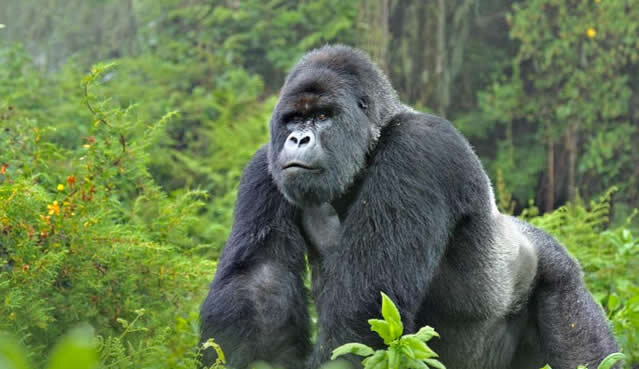
The topic writing about gorilla trekking in Uganda draws travelers from every corner of the globe. Uganda holds more than half of the world’s remaining mountain gorillas. These gentle giants live deep in ancient forests. Visitors travel far to see them up close. This guide covers everything you need to know. You will learn about parks, permits, and packing. You will also learn about costs, timing, and safety. By the end, you will feel ready to plan your own trek. Uganda’s forests wait with an experience like no other on earth.
Uganda offers two national parks for gorilla trekking. Bwindi Impenetrable National Park holds most of the country’s gorilla families. Mgahinga Gorilla National Park sits further south. It borders Rwanda and the Democratic Republic of Congo. Both parks sit within lush, mountainous terrain.
Gorillas here live in family groups. Rangers track these groups daily. Trained guides then lead visitors to find them. This system protects the gorillas from stress. It also gives visitors a safe, controlled encounter. Few wildlife experiences match this level of intimacy.
Bwindi has four trekking sectors: Buhoma, Ruhija, Rushaga, and Nkuringo. Each sector offers different terrain and gorilla families. Buhoma suits beginners well. Its trails are gentler than other areas. Ruhija sits at a higher altitude. Cooler temperatures make trekking there more comfortable. Rushaga has the most habituated families. This sector gives visitors more scheduling flexibility. Nkuringo challenges trekkers with steep terrain. Stunning views reward those who choose this path.
Mgahinga offers a quieter alternative. Fewer visitors trek here compared to Bwindi. Golden monkeys also live in this park. Many travelers combine gorilla trekking with a golden monkey walk here.
Every trekker needs a permit from the Uganda Wildlife Authority. A permit currently costs 800 US dollars for foreign non-residents. Foreign residents pay a reduced rate. East African citizens pay the lowest price. This fee funds park protection. It also supports nearby communities.
Permits are limited to eight people per gorilla family each day. This rule keeps groups small. Small groups reduce stress on the gorillas. They also allow a more personal experience for visitors. Booking months ahead is wise, especially during peak season.
Uganda offers two dry seasons each year. These run from June through September and December through February. Dry months bring firmer trails. Clearer skies also improve visibility during these months. Wet months still allow trekking, however. Rain makes the forest greener and more vibrant. Fewer tourists visit during wet months too. Lower prices often follow this quieter season.
Rain can fall in Uganda at any time. Pack for wet weather regardless of season. A flexible mindset helps on any trek.
Most international flights land at Entebbe International Airport. From there, travelers reach Bwindi by road or air. Road travel takes about 8 to 10 hours. Many travelers split this drive across two days. A stop at Lake Mburo National Park breaks up the journey nicely.
Domestic flights offer a faster option. Small planes connect Entebbe to airstrips near Bwindi. Flight time runs about 1 to 1.5 hours. This choice suits travelers with limited time. Mgahinga is reached through a similar road or air combination, often via Kisoro.
Gorilla trekking demands moderate fitness. Trails climb steep, muddy slopes. Altitude adds extra strain in some sectors. Regular walking or light cardio before your trip helps build stamina. Visitors with health concerns should consult a doctor first.
Trek duration varies widely. Some treks last two hours. Others stretch past six hours. Gorilla movement each day determines this length. Trackers locate the family before your trek even begins. This head start reduces walking time for visitors.
Sturdy boots matter most on this trek. Choose boots with strong ankle support and good grip. Long trousers and long sleeves protect against thorns and nettles. A rain jacket handles sudden showers. Gardening gloves help with grip on vines and branches.
Bring enough water for the full trek. Pack light snacks for energy along the way. A wide-brimmed hat blocks sun during open stretches. Insect repellent guards against bites in the forest. A small daypack holds these items comfortably.
Trekking starts early with a briefing at the park office. Rangers explain safety rules clearly. They also describe expected gorilla behavior. Armed rangers accompany every group for safety.
Guides lead the way through dense forest. Vines and roots often cover the path. Porters are available for hire and offer helpful support. Many visitors choose this option, especially on steeper routes.
Once trackers find the gorillas, excitement builds fast. Visitors get one hour with the family. Photography is welcome, though flash is not allowed. Silence and calm movements are important during this time. Gorillas often continue their normal routines nearby. Watching them feed, rest, or play feels deeply moving.
Visitors must stay at least seven meters from the gorillas. This distance protects both species from disease transfer. Face masks may be required in some cases. Sick visitors are not permitted to trek that day.
Loud noises and sudden movements are discouraged. Calm behavior keeps gorillas relaxed and natural. Rangers guide the group throughout the encounter. Their instructions should always be followed closely.
Accommodation options near the parks range from simple to luxurious. Budget lodges suit travelers watching their costs. Mid-range lodges offer solid comfort at fair prices. Luxury lodges provide full service with stunning forest views.
Many properties sit on hillsides overlooking the canopy. Booking early secures the best choices, especially in peak months. Rainy season often brings lower rates across all categories.
Many visitors extend their trip beyond gorilla trekking. Queen Elizabeth National Park lies near Bwindi. Game drives and chimpanzee tracking are popular additions there. Lake Bunyonyi offers a peaceful stop for relaxation.
Cultural visits add meaning to the journey too. The Batwa people once lived within these forests. Guided walks now share their traditions and history. This experience supports local communities directly.
Yellow fever vaccination is mandatory for entry into Uganda. Malaria prevention is strongly advised as well. A visit to a travel clinic before departure is wise. Bring any personal medication you may need during the trip.
The minimum age for gorilla trekking is 15 years old. This rule protects both young visitors and the gorillas. No exceptions apply to this age limit.
Book your permit and lodge well ahead of time. Popular sectors fill quickly during dry season. Work with a trusted local tour operator. Good operators simplify logistics and offer valuable local insight.
Carry Ugandan shillings for small purchases and tips. Fair tipping supports guides, porters, and trackers. Their work protects the gorillas and enriches your visit.
Stay flexible throughout your trek. Weather and gorilla movement can shift plans quickly. Trust your guide’s experience and judgment. Their knowledge shapes a smoother, richer journey.
Final Thoughts
Gorilla trekking in Uganda offers a rare and powerful experience. Every trek supports conservation efforts directly. Every permit purchased helps protect these gentle giants for future generations.
The forests test your stamina and reward your effort. That one hour with the gorillas stays with you long after the trip ends. Plan carefully, pack wisely, and choose the right season. Uganda’s mountain gorillas are waiting in the mist, ready to leave a lasting mark on your story.