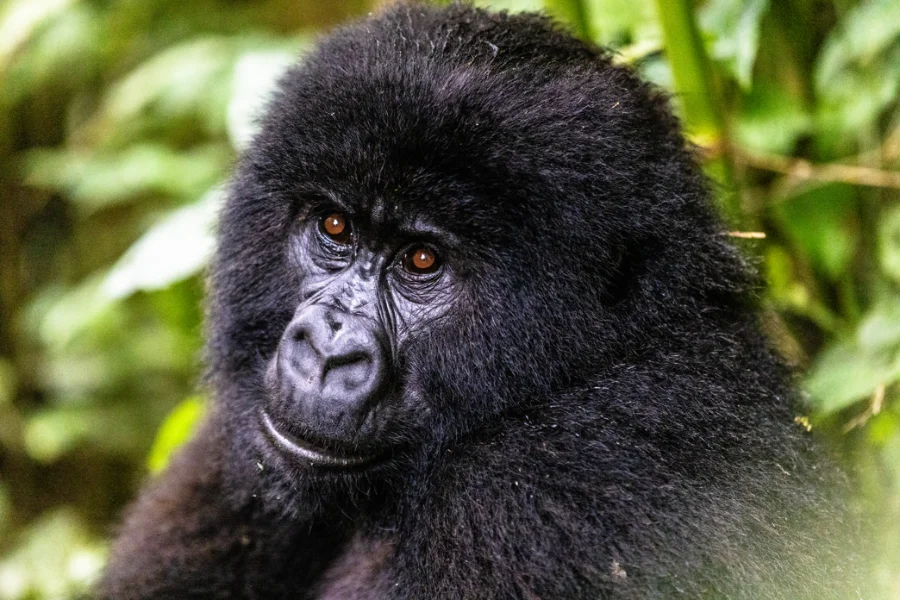
The topic writing about today is gorilla trekking for families. Many parents think this adventure is only for adults. However, this is not true. Families can enjoy gorilla trekking together in Uganda. It offers a rare bonding experience for parents and kids. Children learn about wildlife in a real setting. Parents get to share a bucket-list moment with their loved ones. This guide will explain how families can plan a smooth trip. We will cover age rules, safety tips, and the best sectors for families. Let’s explore how to make this trip enjoyable for everyone.
Is Gorilla Trekking Safe for Children?
Gorilla trekking is generally safe for children above a certain age. The Uganda Wildlife Authority sets the minimum age at 15 years. This rule protects both the child and the gorillas. Young children may struggle with the long walk. They may also make sudden noises that could disturb the gorillas. Therefore, teenagers are the best starting point for family treks. However, younger children can still enjoy the trip in other ways. They can join nature walks or visit nearby community centers. This way, the whole family stays involved, even if not everyone treks.
Choosing the Right Trekking Sector for Families
Bwindi Impenetrable National Park has four main sectors. These are Buhoma, Ruhija, Rushaga, and Nkuringo. Buhoma is often the best choice for families. It has easier trails and shorter walking distances. In addition, Buhoma has more family-friendly lodges nearby. Ruhija is another good option, though the trails can be steeper. Rushaga offers more gorilla families, which increases permit availability. Nkuringo is more physically demanding and better suited for older teens. Choosing the right sector depends on your child’s fitness level. Always ask your tour operator for advice based on your family’s needs.
Planning Around Your Child’s Age
Age plays a big role in planning a family trek. As mentioned, children must be at least 15 years old to trek. For younger children, plan alternative activities during the trekking day. Many lodges offer childcare services or nature programs. Older teens, however, can join the full trekking experience. They often enjoy the challenge and adventure of the walk. Before booking, always confirm the age policy with the park authority. This helps you avoid last-minute disappointment. Planning early also allows time to prepare your child physically for the trek.
Preparing Kids for the Trek
Preparation makes the trekking day easier for young trekkers. Start by practicing short hikes before the trip. This builds their stamina and confidence. Also, teach them to listen carefully to their guide. This keeps everyone safe during the walk. Pack comfortable clothing and sturdy shoes for your child. Include a light rain jacket, even during dry months. Snacks and water are also essential for young trekkers. Explain to your child what to expect from the gorillas. This reduces fear and builds excitement instead. A well-prepared child enjoys the trek much more than an anxious one.
Family-Friendly Accommodation Options
Bwindi has several lodges that welcome families warmly. Many offer spacious rooms or connecting family suites. Some lodges also provide kid-friendly meals and activities. Staying close to the park reduces travel time each day. This is especially helpful for families with younger children. In addition, many lodges have gardens or play areas for kids to explore. Choosing the right lodge adds comfort to the entire trip. Always check reviews from other families before booking. This helps you find a lodge that truly fits your needs.
Activities for Younger Children
Younger children who cannot trek still have plenty to enjoy. Nature walks around the lodge are a fun option. Bird watching is another simple and exciting activity. Some parks offer cultural visits to nearby communities. Children can learn local songs, dances, and crafts. These activities keep young ones engaged and entertained. In addition, some lodges organize nature scavenger hunts for kids. This turns waiting time into a fun learning experience. As a result, even non-trekking children leave with great memories.
Safety Tips for Family Treks
Safety should always come first during a family trek. Stay close to your guide and ranger at all times. Avoid sudden movements or loud noises near the gorillas. Teach your child to remain calm, even if excited. Carry a small first-aid kit for minor scrapes or insect bites. Apply sunscreen and insect repellent before starting the walk. Bring enough water to stay hydrated throughout the trek. In addition, listen to weather updates before heading out. These simple steps help keep the entire family safe and comfortable.
Cost Considerations for Family Trips
Family trips require careful budgeting, especially with permit costs. Each trekker above 15 years needs a separate permit. This costs 800 US dollars per person for foreign visitors. Younger children who do not trek do not need a permit. However, some lodges charge extra fees for childcare services. Therefore, always ask about additional costs before booking. Traveling during the low season can help reduce overall costs. This includes cheaper lodging and fewer crowds. Planning ahead ensures your family trip stays within budget.
Making the Trek a Learning Experience
Gorilla trekking offers valuable lessons for children. It teaches them about wildlife conservation firsthand. Kids see how gorillas live and interact in their natural home. This creates a deeper appreciation for nature. In addition, the trek teaches patience and perseverance. Walking through the forest can be challenging at times. However, the reward of seeing gorillas makes it worthwhile. Parents can use this experience to discuss conservation efforts. This turns a fun trip into a meaningful lesson for the whole family.
Combining Trekking with Other Family Activities
A family trip can include more than just gorilla trekking. Consider adding a visit to Queen Elizabeth National Park. This park offers game drives that children usually enjoy. Boat rides on nearby lakes are another fun addition. These activities break up the trip and keep kids interested. In addition, visiting local markets exposes children to Ugandan culture. These extra stops make the trip feel like a complete adventure. As a result, your family gets more value from the overall journey.
Choosing the Right Tour Operator
A good tour operator makes family trips much easier. Look for operators experienced in handling family bookings. They should understand age policies and safety requirements clearly. In addition, ask about flexible itineraries for children. A reliable operator can suggest activities for non-trekking family members. They can also recommend the best lodges for your group size. Reading reviews from other families helps confirm their reliability. Choosing the right operator reduces stress and improves your overall experience.
Conclusion
Gorilla trekking can be a wonderful experience for families. Start by checking the age requirements for trekking. Then, choose a sector with trails that suit your family’s fitness level. Prepare your children well before the trip begins. Select family-friendly lodges that offer comfort and activities for all ages. Always prioritize safety throughout the journey. With good planning, gorilla trekking becomes more than an adventure. It becomes a memory your family will cherish for years to come.